What is a Footlogix pedicure, and how is it different?
No footbath, no blades and properly cared-for skin. Here’s what happens during a Footlogix pedicure and who it’s good for.
2 min read By Natalie
When people picture a pedicure, they usually think of a bowl of warm water and a lot of scrubbing. A Footlogix pedicure is a little different, and once clients have tried one they often tell me they won’t go back.
What Footlogix is
Footlogix is a professional foot care range made for the skin on your feet, which is thicker and drier than anywhere else on your body. Most of the products are light mousses that sink into the skin quickly, and each one does a particular job: softening hard skin, calming dryness and cracked heels, or caring for the nails.
Why there’s no footbath
It sounds odd, but soaking feet before a pedicure isn’t always a good thing. Skin that has been in water for a while swells up and looks softer than it is, so it’s easy to take off too much. A day or two later it can feel tight or rough again. A Footlogix pedicure works on dry skin instead, so I can see exactly what needs doing and you leave with skin that stays soft. It’s quicker to dry too, so you can pop your shoes back on.
What happens during the treatment
- I look at your feet and ask about anything that bothers you: hard skin, cracked heels, thick or awkward nails.
- Your nails are trimmed and shaped and the cuticles tidied.
- Hard skin is gently smoothed down with a softening product, never cut with a blade.
- The right Footlogix mousse is massaged in for your skin.
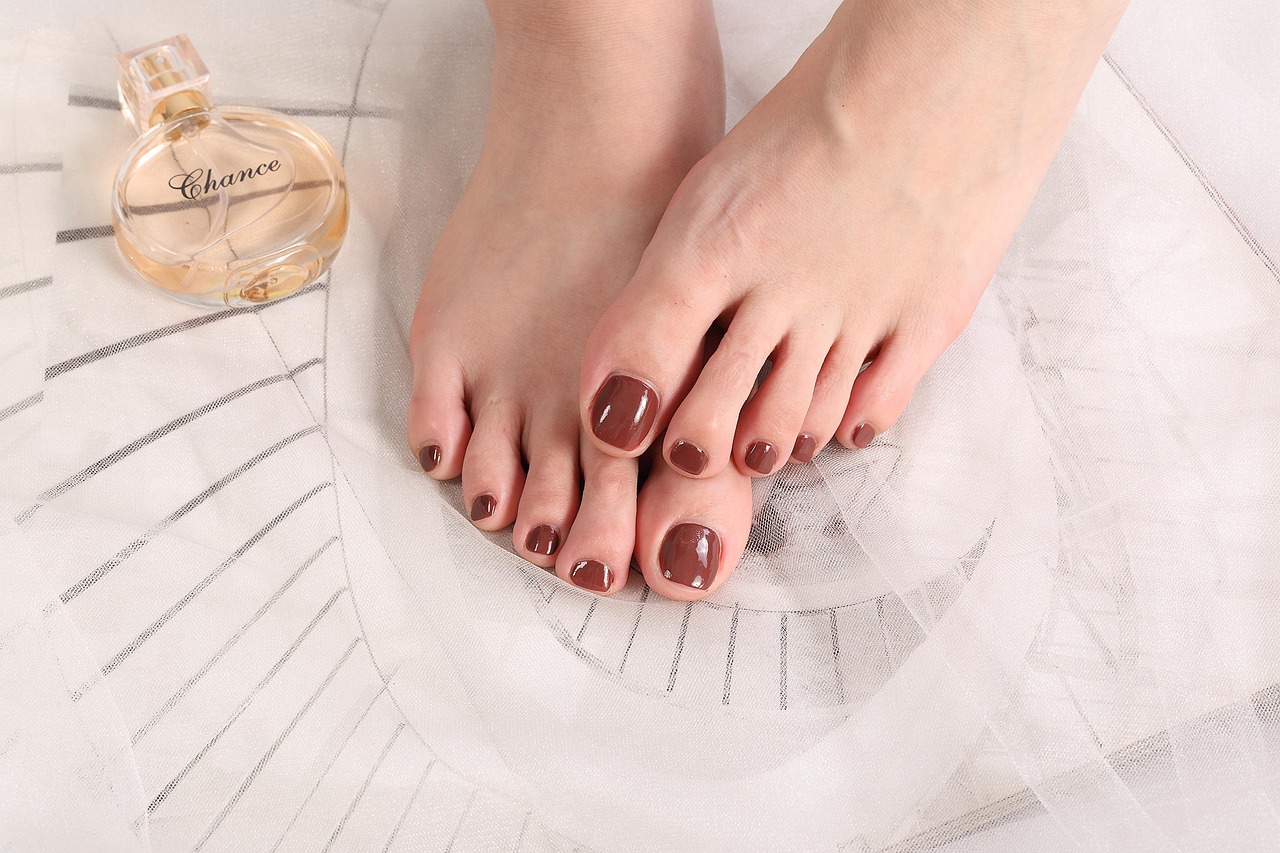
- You finish with bare, neat toes or with gel polish, which lasts for weeks on toenails.
Who it’s good for
Pretty much everyone. It’s a lovely treat before a holiday or a wedding, but it’s just as useful in winter, when feet spend all day in boots and heels get dry and sore. Because there’s no soaking and no blades, it’s also a gentler choice if your skin is sensitive.
If you have a medical foot condition, diabetes or poor circulation, please mention it when you book. Some things are a job for a podiatrist rather than a beauty therapist, and I’d always rather we check than guess.
Keeping your feet soft at home
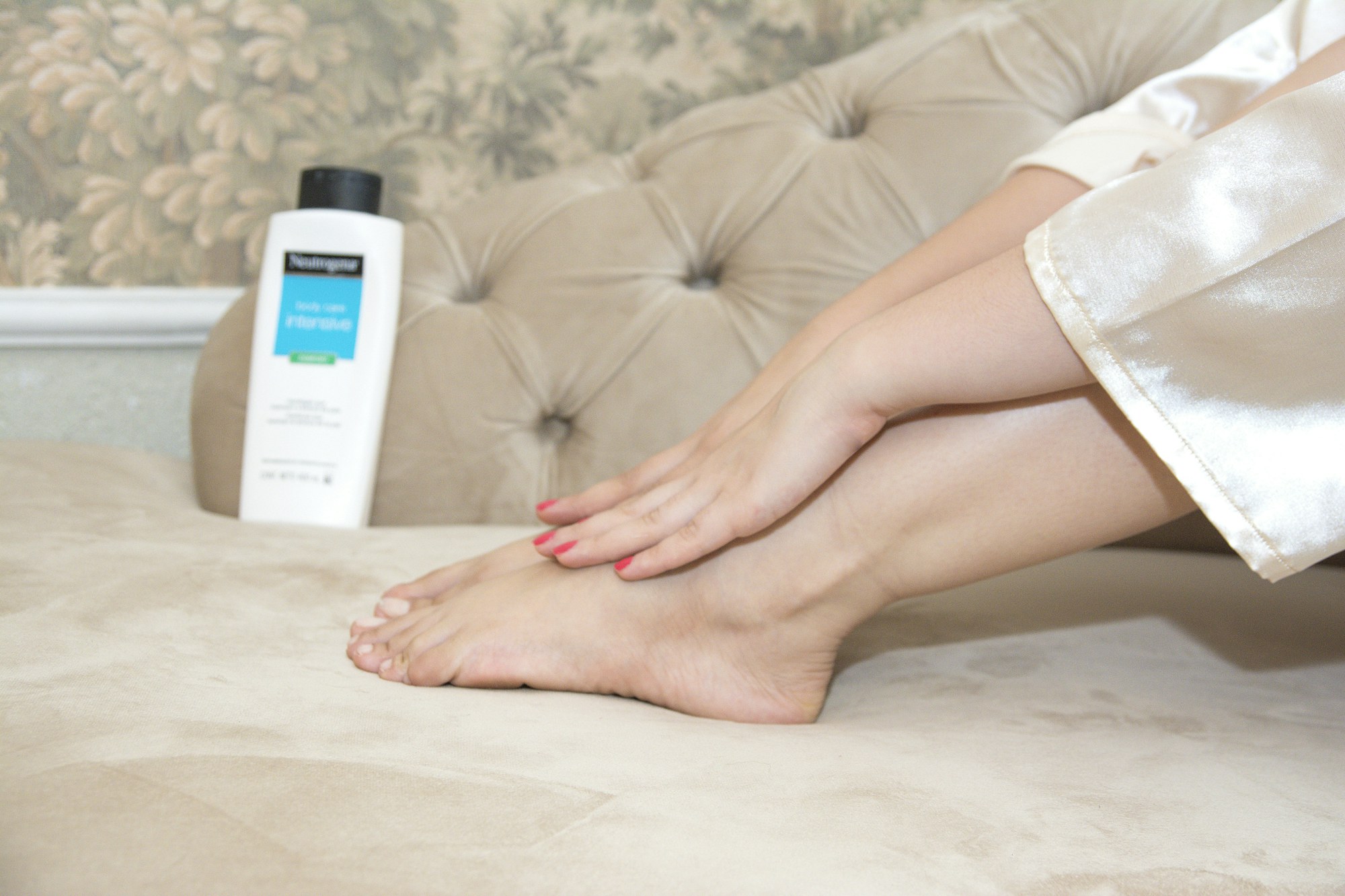
The best results come from a little care in between. Ask me at the end of your treatment which kind of foot cream suits your skin, then use it daily, especially on your heels, and try not to file hard skin away yourself at home: a little too much and it grows back thicker.
Every four to six weeks is a good rhythm for most people, but book whenever your feet feel like they need it. You’ll find the pedicure options, with times, on the treatments page.